

Be at the heart of actionFly remote-controlled drones into enemy territory to gather vital information.

Apply Now

Assembly, Install & Support Engineer

Cambridge
4 months ago
Applications closed

Related Jobs

View all jobs

Controls Engineer

Electronics Box Build Technician

Controls Engineer (Automation / Robotics)

Assembly & Build Technician

Assembly & Build Technicians

Assembly Technician

Job Title: Assembly, Install and Support Engineer

Location: Cambridge

Salary: £35 – 40k

This is a fantastic opportunity working for an established company that work within Robotics and Automation.

THE ROLE

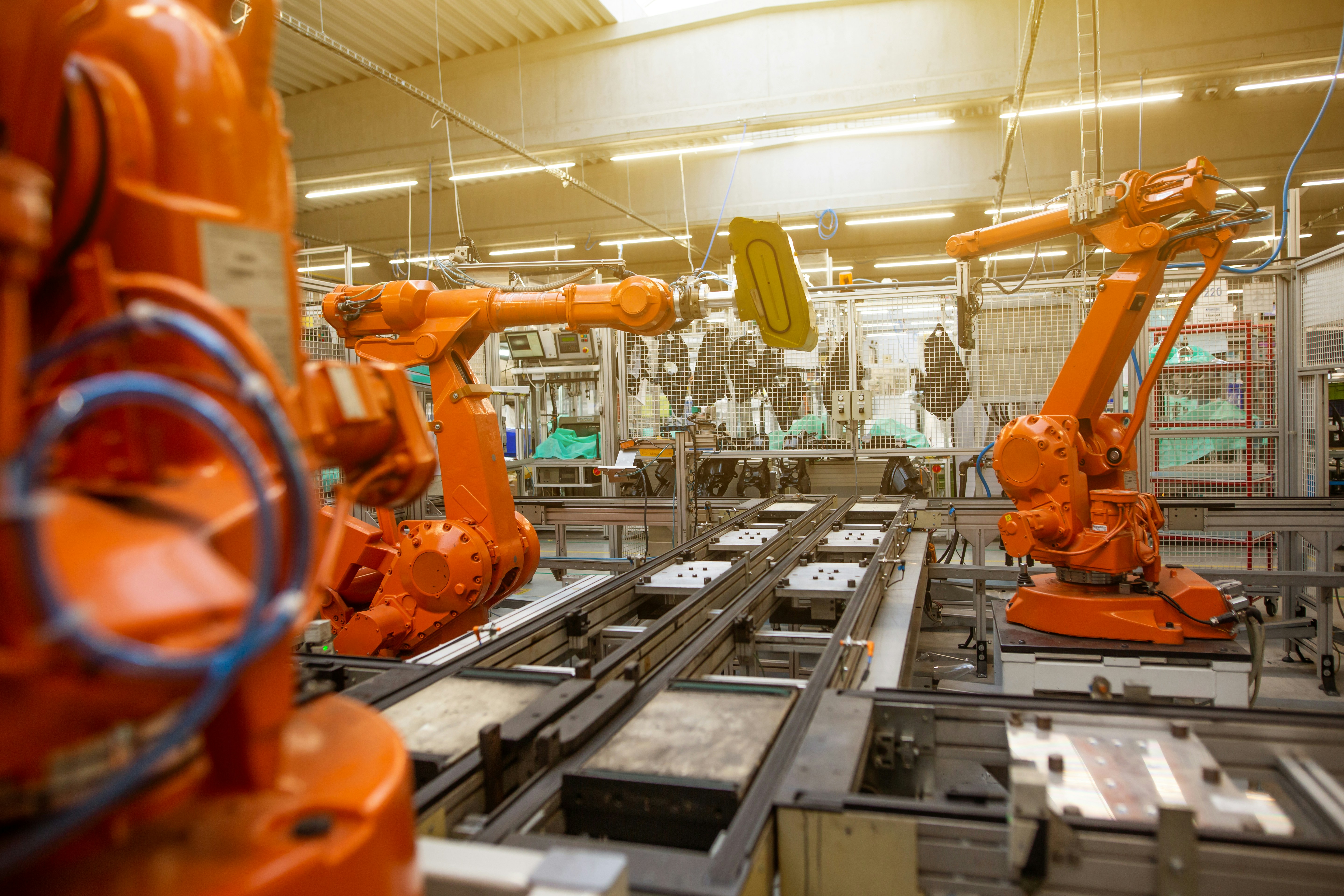
This role is to work as an assembly, install and support engineer on automated palletising systems. The role includes electrical and mechanical assembly both at the company and out on site, service and support visits to customers sites. It also has the opportunity to progress into software support and commissioning if this is an area you pick up well during installations and assembly. There will be approximately 70% off-site time at customer sites.

PERFORMANCE OBJECTIVES

  • To be a key engineer who can carry out any part of a palletiser system build, software or installation and in due course commissioning if this is learnt well.

  • Use engineering aptitude and initiative to make the required decisions to keep the project in motion in view of producing a quality functioning machine.

  • Carry out associated testing and customer documentation to take a machine to ‘fully complete’ status

  • Competently take client support calls and carry out support visits to trouble shoot and solve issues.

    RESPONSIBILITIES

  • Carry out full system install which can include mechanical and electrical competence and potentially software

  • Carry out assembly inc. panel build mechanical system build

  • Carry out necessary software additions

  • Carry out system service visits

  • Carry out remote support calls and on-site support where required

  • Report progress and issues to the PM for accurate customer communications

    SKILLS REQUIRED

  • Positive attitude, prepared for open thinking and change.

  • Able to work as part of a team

  • Good mechanical, electrical and software engineering aptitude and understanding

  • Experience with machinery fault finding and resolution, including both mechanical and if possible software faults.

  • Reliable at completing tasks

  • Honesty

  • High level of attention to detail

  • Good with reliably reporting on results

  • Proficient at writing and speaking English

  • Clean driving license

    SKILLS DESIRED – BUT NOT ESSENTIAL

  • Robotic experience and/or training (KUKA/ABB)

  • Experience with PLC programming in structured text/C

Subscribe to Future Tech Insights for the latest jobs & insights, direct to your inbox.

By subscribing, you agree to our privacy policy and terms of service.

Industry Insights

Discover insightful articles, industry insights, expert tips, and curated resources.

Robotics Hiring Trends 2026: What to Watch Out For (For Job Seekers & Recruiters)

As we move into 2026, the UK robotics jobs market is in a strange but interesting place. On one hand, UK manufacturers, logistics firms and warehouses must automate to stay competitive, tackle labour shortages and meet productivity and net-zero targets. On the other hand, the UK still lags badly behind peers in robot adoption, with relatively low robot density in factories compared with other advanced economies – which is both a challenge and a massive opportunity. The National Robotarium +1 Add in AI, computer vision and edge computing, and you get a robotics landscape that is: More selective in hiring. More focused on real operational outcomes. More integrated with software, data and safety standards. Whether you are a robotics job seeker planning your next move, or a recruiter building automation and robotics teams, this guide explores the key robotics hiring trends for 2026.

Robotics Recruitment Trends 2025 (UK): What Job Seekers Need To Know About Today’s Hiring Process

Summary: UK robotics hiring has shifted from toolbox checklists to capability‑driven evaluation that emphasises deployed systems, safety, reliability and total cost of ownership. Employers want proof you can ship and sustain robots in production—industrial arms & cobots, AMRs/AGVs, field robots, surgical/med‑tech, warehouse automation, inspection & maintenance. This guide explains what’s changed, what to expect in interviews and how to prepare—especially for robotics software engineers (ROS/ROS 2), perception/vision engineers, controls & motion planners, mechatronics & embedded, safety & compliance, test/V&V, DevOps/SRE for fleets, and robotics product managers. Who this is for: Robotics software/perception/controls engineers, mechatronics & embedded, simulation & test, DevOps/SRE for robotics fleets, HRI/UX, safety/compliance, field/commissioning engineers, and product/technical programme managers in the UK.

Why Robotics Careers in the UK Are Becoming More Multidisciplinary

Robotics used to be the domain of mechanical, electrical and software engineers. In the UK today, robotics is more than motors and control loops — it’s about perception, interaction, trust, regulation and integration into human environments. That evolution means robotics careers are becoming more multidisciplinary. Modern robots interact with people, collect data, operate under constraints, and often assist in safety-critical environments (healthcare, manufacturing, transport). So engineers now collaborate closely with legal, ethical, psychological, linguistic and design experts. In this article, we explore why UK robotics careers are evolving into multidisciplinary roles, how law, ethics, psychology, linguistics & design intersect with robotics, and how job-seekers and employers can adapt to this shift.