
:quality(80))
How Hard Is It to Get a Robotics Job in the UK? Competition, Success Rates & Timelines (2026)
Robotics jobs in the UK are competitive but winnable. Here is the honest picture on odds, skills bar and timelines for 2026.
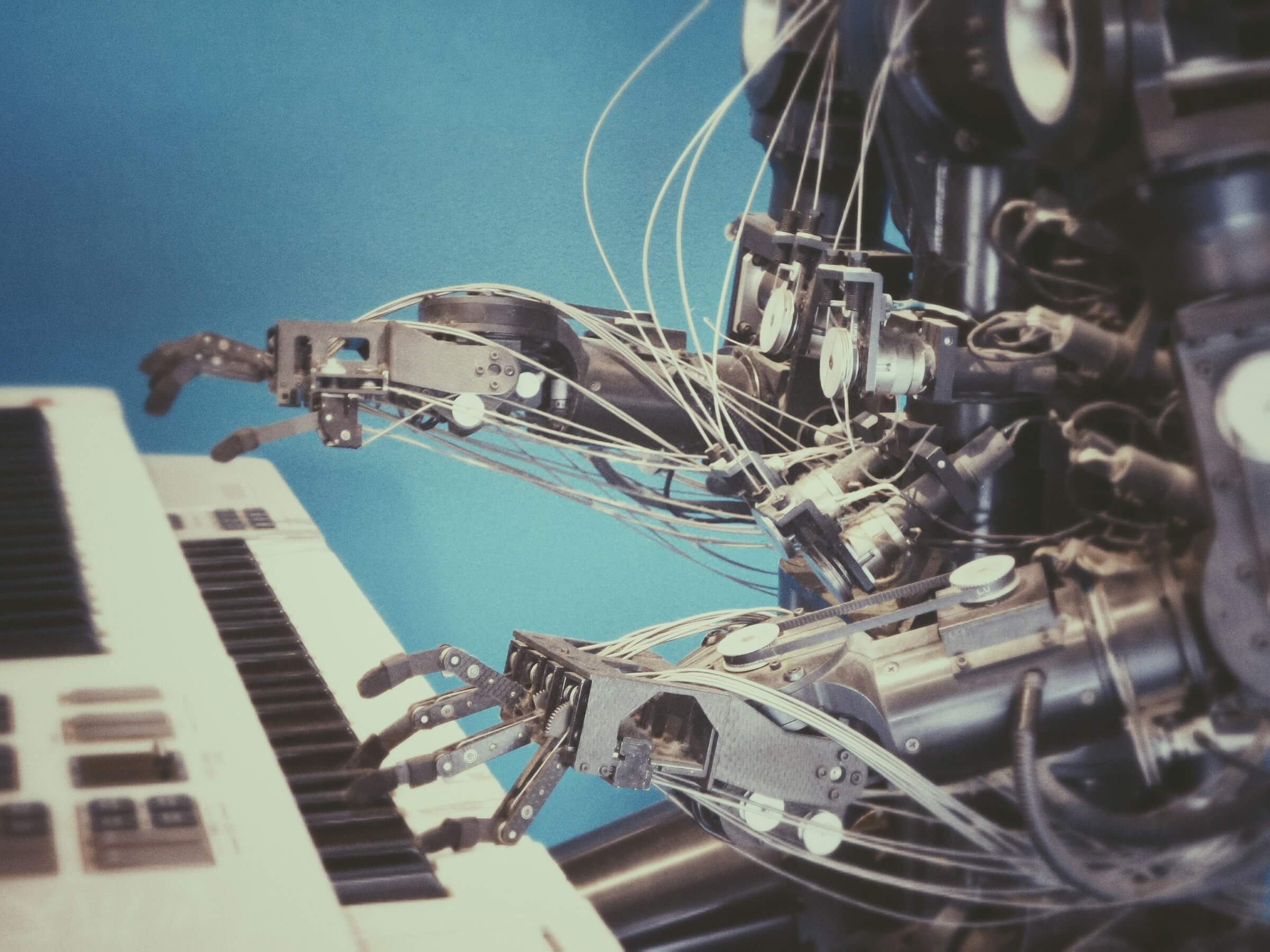
Deep dive into robotics with expert advice, resources, and career insights within the Jobs field.
Robotics jobs in the UK are competitive but winnable. Here is the honest picture on odds, skills bar and timelines for 2026.
:quality(80))
Robotics jobs on a contract basis in 2026: indicative day rates by specialism, what IR35 means for take-home, and where UK freelance demand sits.
:quality(80))
Robotics jobs are growing as AI makes robots smarter. See UK 2026 salaries, employers and roles, and why automation creates work.
:quality(80))
A numbers-first reference on UK robotics jobs in 2026: estimated vacancies, salary bands, top regions and active employers
:quality(80))
A 2026 guide to agricultural robotics jobs in the UK — employers, salary bands, hotspots and how to break into farm robotics from adjacent fields.
:quality(80))
Humanoid robotics jobs UK 2026: salaries from £50,000 to £280,000, top employers including Shadow Robot, Engineered Arts and Dyson Robotics Lab, and where the real openings sit.
:quality(80))
Robotics Jobs UK 2026: roles, salaries and skills for engineers and researchers in manufacturing, logistics, autonomous vehicles, defence and healthcare. In the UK, most robotics jobs cluster around hubs such as London, Cambridge, Bristol, Oxford, Manchester and Edinburgh, with common titles including Robotics Engineer, SLAM Engineer, Controls Engineer and Mechatronics Engineer. The most efficient way to browse live robotics jobs is via specialist boards like RoboticsJobs.co.uk, which curate roles specifically in this field so you are not lost in generic tech listings. This guide covers everything you need to know about robotics jobs in the UK in 2026, from the roles and skills in demand to where to find live opportunities and how to stand out as a candidate.
:quality(80))
Robotics Jobs UK 2026: roles, salaries and the automation hiring trends shaping UK robotics careers over the next three years — industrial, service and humanoid. Robotics is having a moment that feels qualitatively different from the cycles of hype and disappointment that have characterised the sector in previous decades. The convergence of advances in AI, computer vision, battery technology, and hardware manufacturing has brought robotics to an inflection point — one where the gap between what robots can do in controlled laboratory conditions and what they can do in the unpredictable complexity of the real world is closing faster than at any previous point in the discipline's history. For job seekers, this inflection point is creating a jobs market that is expanding rapidly across a far wider range of industries and role types than robotics has historically occupied. Automotive and manufacturing remain significant employers, but they are now joined by logistics and warehousing, healthcare, agriculture, construction, defence, and the emerging category of humanoid robotics — each generating distinct hiring demand and drawing on overlapping but meaningfully different skill sets. The candidates who will thrive over the next three years are those who understand where the sector is heading — which application areas are scaling from pilot to production, which technologies are defining the architecture of modern robotic systems, and how the definition of a robotics career is evolving beyond the mechanical engineering core toward a much richer intersection of software, AI, and systems engineering. This article breaks down what the UK robotics jobs market is likely to look like through to 2028 — covering the titles emerging right now, the technologies driving employer demand, the skills that will matter most, and how to position your career at the leading edge of one of the most exciting technology transitions of the coming decade.
:quality(80))
New Robotics Employers to Watch in 2026: a UK and global shortlist of fast-growing robotics companies hiring automation, control and ML engineers. Robotics is moving rapidly from factory floors into healthcare, logistics, agriculture, autonomous systems, and consumer products. As automation becomes embedded in everyday life, companies are investing in robots that operate alongside humans, analyse environments in real time, and learn from data. In 2026, demand for robotics engineers, software developers, system integrators, and AI specialists continues to surge. For professionals exploring opportunities on www.RoboticsJobs.co.uk , understanding the employers that are scaling, winning contracts, securing investment, or expanding into the UK market is crucial. This article highlights top robotics employers to watch in 2026, spanning innovative startups, high‑growth scale‑ups, and established global technology leaders with strong UK presence.
:quality(80))
What hiring managers look for first in UK robotics job applications in 2026: a UK guide to CVs, cover letters and the signals that get robotics engineers shortlisted. Robotics is one of the most dynamic, interdisciplinary fields in technology — blending mechanical systems, embedded software, controls, perception (AI/vision), modelling, simulation and systems integration. Hiring managers in this space are highly selective because robotics teams need people who can solve real-world problems under constraints, work across disciplines, and deliver safe, reliable systems. And here’s the reality: hiring managers do not read every word of your CV. Like in many tech domains, they scan quickly — often forming a judgement in the first 10–20 seconds. In robotics, those first signals are especially important because the work is complex and there’s a wide range of candidate backgrounds. This guide unpacks exactly what hiring managers look for first in robotics applications and how to optimise your CV, portfolio and cover letter so you stand out in the UK market.
:quality(80))
Robotics looks futuristic from the outside. People picture humanoid machines, cutting-edge labs & young engineers writing complex code. In the UK job market, the reality is more practical and more encouraging for career switchers: robotics is already embedded across manufacturing, logistics, healthcare, agriculture, defence, construction & inspection. That means there are real jobs for people in their 30s, 40s & 50s who bring operational experience, delivery skills, quality discipline & the ability to work with real-world systems. This article gives you a clear UK reality check on robotics careers for career switchers: what roles genuinely exist, which paths are most realistic, what skills employers actually hire for, how long retraining tends to take & whether age is a factor.
:quality(80))
Robotics is moving rapidly from research labs into real-world deployment. Across the UK, robots are now used in manufacturing, logistics, healthcare, defence, agriculture, autonomous vehicles and service industries. As adoption accelerates, demand for skilled robotics professionals continues to grow. Yet many employers struggle to attract the right candidates. Robotics job adverts often receive either very few applications or large numbers of unsuitable ones. Experienced robotics engineers, meanwhile, routinely skip adverts that feel vague, unrealistic or disconnected from how robotics systems actually work in practice. In most cases, the problem is not the talent pool — it is the job advert itself. Robotics professionals are systems thinkers. They care deeply about constraints, integration and real-world performance. A poorly written job ad signals weak technical understanding and unrealistic expectations. A well-written one signals credibility, seriousness and a mature robotics programme. This guide explains how to write a robotics job ad that attracts the right people, improves applicant quality and positions your organisation as a credible employer in the robotics sector.
Your Gateway to Robotics Careers
Connecting talented robotics professionals with innovative companies building the next generation of intelligent machines.