
Data Developer - Fixed Income

Old Bailey
3 days ago
Create job alert

Data Developer – Fixed Income Electronic Trading

About the Role

We are seeking a Data Developer to join a Fixed Income technology team, supporting electronic trading and market-making operations. This hybrid role combines software engineering with data science, building analytical tools, machine learning models, and data products that directly inform trading decisions and improve execution performance.

You will work on the trading floor alongside traders, quants, and technologists to develop insights from market and transaction data, automate analytical workflows, and deploy models into production environments. This is a hands-on role for someone who enjoys both building robust systems and extracting value from complex datasets.

Responsibilities

  • You will design and build data pipelines ingesting real-time and historical data from electronic trading platforms including MarketAxess, Tradeweb, and Bloomberg, as well as internal order management and execution systems.

  • The role involves developing machine learning models for applications such as trade flow prediction, execution quality analysis, client behaviour segmentation, and market pattern recognition.

  • You will create interactive dashboards and analytical tools for trading desk consumption, translating complex data into actionable insights.

  • Working with quantitative researchers, you will productionise models and ensure they integrate seamlessly with trading infrastructure.

  • The position requires automating analytical workflows, maintaining data quality and governance, and contributing to the team's broader data platform strategy.

  • You will collaborate across functions to identify opportunities where data science can add value, communicating findings to both technical and non-technical stakeholders.

    Requirements

  • Programming Skills: Strong programming ability in Python is essential, including proficiency with data science libraries such as pandas, NumPy, scikit-learn, and visualisation tools.

    • Experience building production-quality code and deploying models is important.

    • Familiarity with SQL and relational databases required.

    • Experience with Java, Kotlin, or Rust is beneficial

  • Data Science: Solid grounding in statistical analysis, machine learning, and predictive modelling.

    • Experience working with large-scale, time-series, or event-driven datasets.

    • Ability to design experiments, validate models, and interpret results critically.

  • Data Engineering: Experience building ETL pipelines and working with streaming technologies such as Kafka is beneficial.

    • Familiarity with cloud platforms (AWS, Azure, or GCP) and modern data stack tooling.

  • Communication: Ability to explain technical findings to traders and business stakeholders.

    • Comfortable working in a fast-paced, collaborative environment on the trading floor.

  • Domain Exposure: Prior experience in financial services is helpful but not essential.

    • Willingness to learn fixed income products, electronic trading workflows, and market data structures.

      Desirable

  • Experience with Bloomberg data feeds or financial market data.

  • Familiarity with NLP techniques for unstructured data analysis.

  • Exposure to time-series forecasting or real-time analytics platforms.

  • Understanding of regulatory reporting requirement

Related Jobs

View all jobs

Data Architect (Insurance Domain)

Full Stack Developer

Python Developer

AI Developer - Azure, ML, AI Foundry

Senior Software Developer

C++ Developer

Subscribe to Future Tech Insights for the latest jobs & insights, direct to your inbox.

By subscribing, you agree to our privacy policy and terms of service.

Industry Insights

Discover insightful articles, industry insights, expert tips, and curated resources.

Neurodiversity in Robotics Careers: Turning Different Thinking into a Superpower

Robotics is where software, hardware & the physical world collide. From warehouse automation & surgical robots to drones, cobots & autonomous vehicles, robots must sense, think & act reliably in messy real environments. To build that kind of technology, you need people who think differently. If you live with ADHD, autism or dyslexia, you may have been told your brain is “too distracted”, “too literal” or “too chaotic” for engineering. In reality, many traits that made school or traditional offices hard are exactly what robotics teams need: intense focus on complex systems, pattern-spotting in sensor data, creative problem-solving when hardware misbehaves. This guide is written for neurodivergent job seekers exploring robotics careers in the UK. We’ll cover: What neurodiversity means in a robotics context How ADHD, autism & dyslexia strengths map to key robotics roles Practical workplace adjustments you can ask for under UK law How to talk about your neurodivergence in applications & interviews By the end, you’ll have a clearer sense of where you might thrive in robotics – & how to turn “different thinking” into a professional superpower.

Robotics Hiring Trends 2026: What to Watch Out For (For Job Seekers & Recruiters)

As we move into 2026, the UK robotics jobs market is in a strange but interesting place. On one hand, UK manufacturers, logistics firms and warehouses must automate to stay competitive, tackle labour shortages and meet productivity and net-zero targets. On the other hand, the UK still lags badly behind peers in robot adoption, with relatively low robot density in factories compared with other advanced economies – which is both a challenge and a massive opportunity. The National Robotarium +1 Add in AI, computer vision and edge computing, and you get a robotics landscape that is: More selective in hiring. More focused on real operational outcomes. More integrated with software, data and safety standards. Whether you are a robotics job seeker planning your next move, or a recruiter building automation and robotics teams, this guide explores the key robotics hiring trends for 2026.
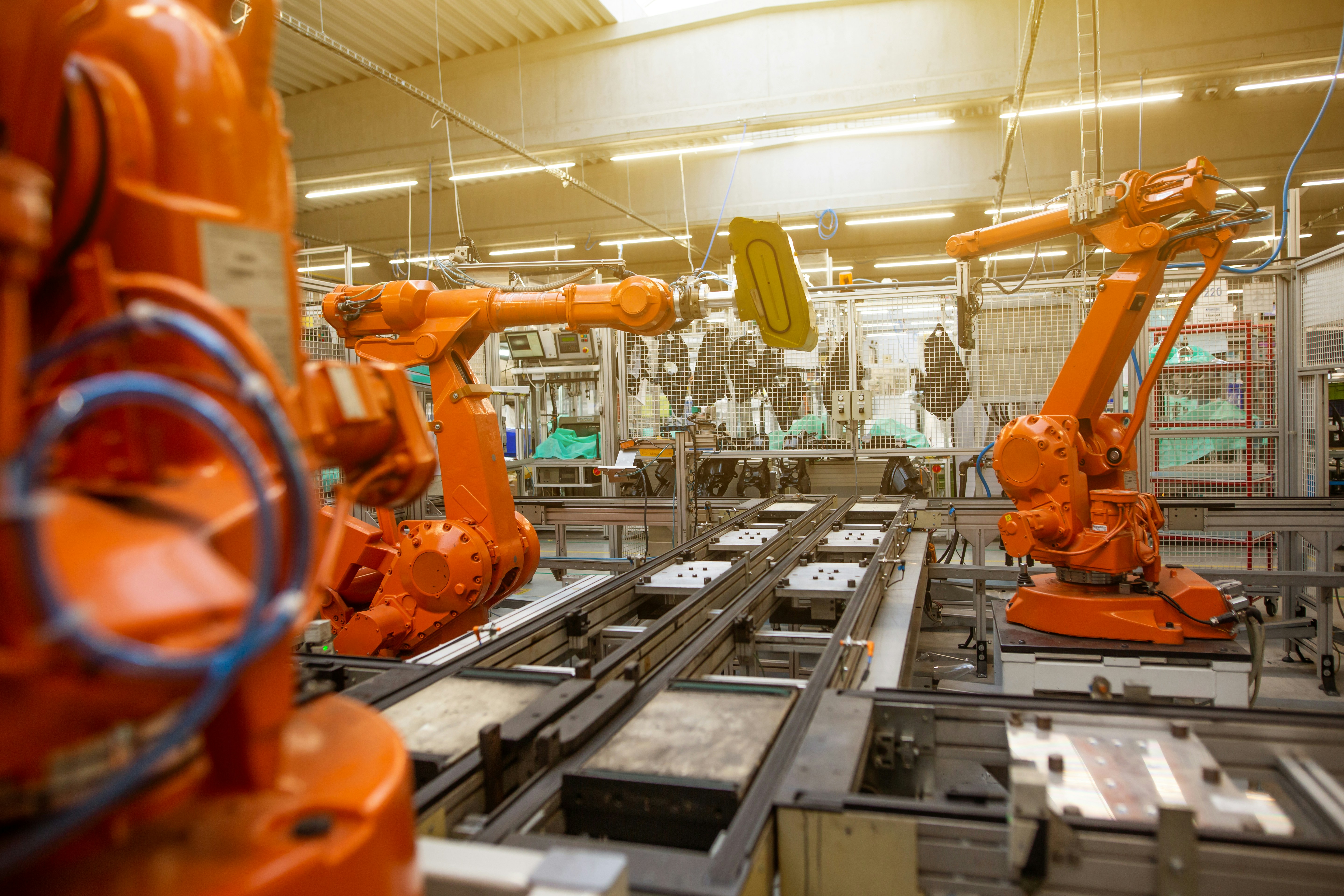
Robotics Recruitment Trends 2025 (UK): What Job Seekers Need To Know About Today’s Hiring Process

Summary: UK robotics hiring has shifted from toolbox checklists to capability‑driven evaluation that emphasises deployed systems, safety, reliability and total cost of ownership. Employers want proof you can ship and sustain robots in production—industrial arms & cobots, AMRs/AGVs, field robots, surgical/med‑tech, warehouse automation, inspection & maintenance. This guide explains what’s changed, what to expect in interviews and how to prepare—especially for robotics software engineers (ROS/ROS 2), perception/vision engineers, controls & motion planners, mechatronics & embedded, safety & compliance, test/V&V, DevOps/SRE for fleets, and robotics product managers. Who this is for: Robotics software/perception/controls engineers, mechatronics & embedded, simulation & test, DevOps/SRE for robotics fleets, HRI/UX, safety/compliance, field/commissioning engineers, and product/technical programme managers in the UK.