

Be at the heart of actionFly remote-controlled drones into enemy territory to gather vital information.

Apply Now

Head of Data Engineering

London
4 months ago
Applications closed

Related Jobs

View all jobs

Head of Data - £90,000 - Hybrid

Head of Manufacturing Engineering

Head of Engineering

Head of VLA Development

Director of Financial Crime & Innovation

Commercial Manager

Head of Data Engineering

Are you ready to shape the future of digital advertising through data? A fast-growing, innovative ad tech company is looking for a Head of Data Engineering to lead the development of its audience intelligence and targeting infrastructure. This is a rare opportunity to build from the ground up and make a direct impact on campaign performance for some of the world's most recognisable brands.

What You'll Do

As Head of Data Engineering, you'll sit at the intersection of data, strategy, and technology. Your mission: to design and manage the systems that power audience targeting across a video advertising platform.

Key Responsibilities:

Audience Data Infrastructure: Build and evolve the architecture for ingesting, storing, and activating digital audiences across publisher and SSP networks.
Data Pipelines: Design robust pipelines to process real-time and historical data for audience segmentation.
Identity Resolution: Lead the integration of identity resolution solutions to unify first- and third-party data sources.
AI/ML Integration: Apply machine learning models to enhance audience classification and predictive targeting.
Cross-Functional Collaboration: Partner with AdOps, Sales, and Strategy teams to align data capabilities with campaign goals.
Innovation: Drive the shift from cookie-based targeting to contextual and outcome-driven models.What You'll Bring

5+ years in data engineering or programmatic media, ideally within ad tech, SSPs, or media agencies.
Proven experience with identity resolution and customer data integration (e.g., LiveRamp, Adobe, or custom solutions).
Strong programming skills in Python or similar languages.
Deep understanding of programmatic advertising ecosystems and privacy regulations (e.g., GDPR).
Experience applying ML/AI for segmentation or targeting.
Excellent communication skillsWe Are Aspire Ltd are a Commited employer

Subscribe to Future Tech Insights for the latest jobs & insights, direct to your inbox.

By subscribing, you agree to our privacy policy and terms of service.

Industry Insights

Discover insightful articles, industry insights, expert tips, and curated resources.

Robotics Hiring Trends 2026: What to Watch Out For (For Job Seekers & Recruiters)

As we move into 2026, the UK robotics jobs market is in a strange but interesting place. On one hand, UK manufacturers, logistics firms and warehouses must automate to stay competitive, tackle labour shortages and meet productivity and net-zero targets. On the other hand, the UK still lags badly behind peers in robot adoption, with relatively low robot density in factories compared with other advanced economies – which is both a challenge and a massive opportunity. The National Robotarium +1 Add in AI, computer vision and edge computing, and you get a robotics landscape that is: More selective in hiring. More focused on real operational outcomes. More integrated with software, data and safety standards. Whether you are a robotics job seeker planning your next move, or a recruiter building automation and robotics teams, this guide explores the key robotics hiring trends for 2026.
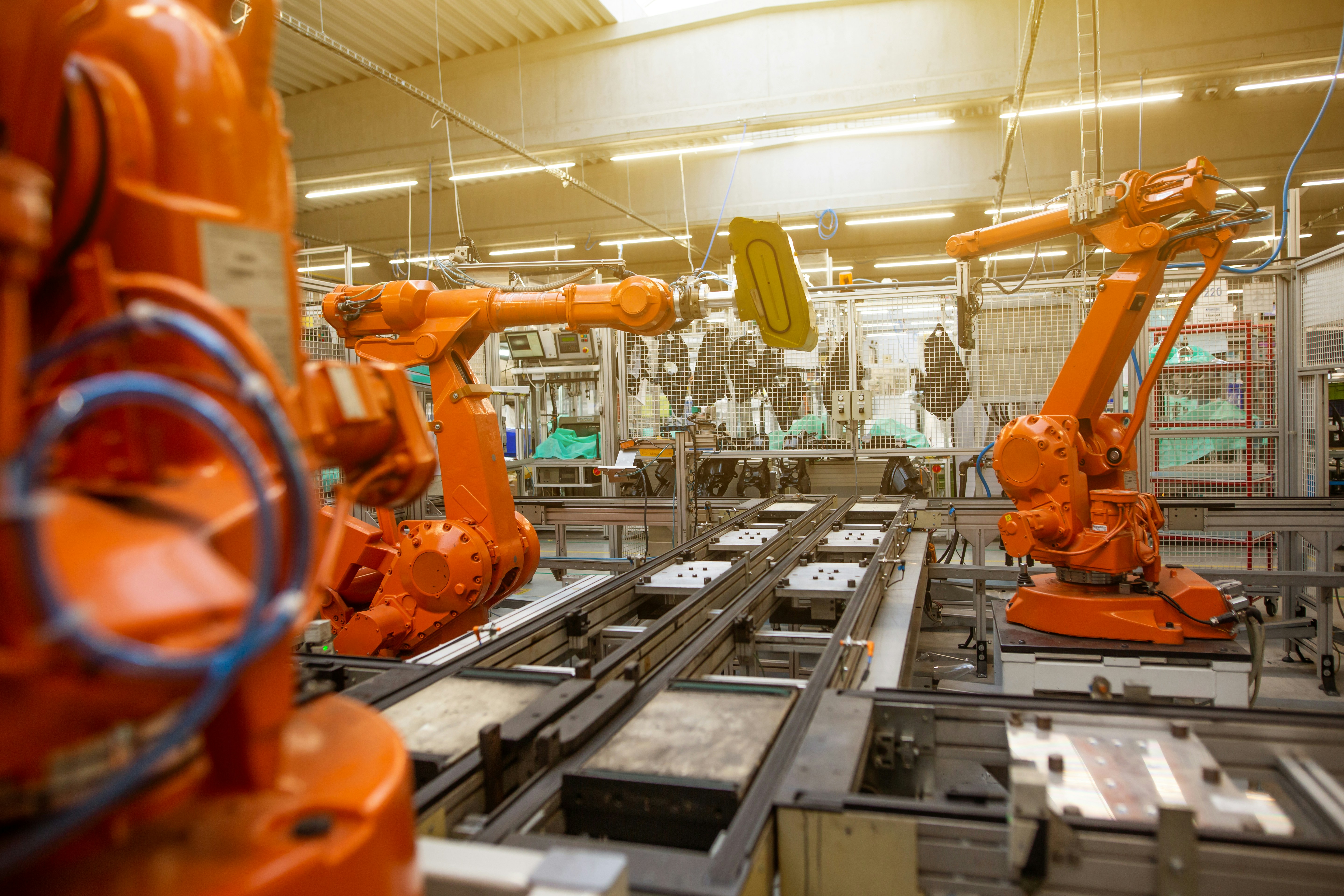

Robotics Recruitment Trends 2025 (UK): What Job Seekers Need To Know About Today’s Hiring Process

Summary: UK robotics hiring has shifted from toolbox checklists to capability‑driven evaluation that emphasises deployed systems, safety, reliability and total cost of ownership. Employers want proof you can ship and sustain robots in production—industrial arms & cobots, AMRs/AGVs, field robots, surgical/med‑tech, warehouse automation, inspection & maintenance. This guide explains what’s changed, what to expect in interviews and how to prepare—especially for robotics software engineers (ROS/ROS 2), perception/vision engineers, controls & motion planners, mechatronics & embedded, safety & compliance, test/V&V, DevOps/SRE for fleets, and robotics product managers. Who this is for: Robotics software/perception/controls engineers, mechatronics & embedded, simulation & test, DevOps/SRE for robotics fleets, HRI/UX, safety/compliance, field/commissioning engineers, and product/technical programme managers in the UK.

Why Robotics Careers in the UK Are Becoming More Multidisciplinary

Robotics used to be the domain of mechanical, electrical and software engineers. In the UK today, robotics is more than motors and control loops — it’s about perception, interaction, trust, regulation and integration into human environments. That evolution means robotics careers are becoming more multidisciplinary. Modern robots interact with people, collect data, operate under constraints, and often assist in safety-critical environments (healthcare, manufacturing, transport). So engineers now collaborate closely with legal, ethical, psychological, linguistic and design experts. In this article, we explore why UK robotics careers are evolving into multidisciplinary roles, how law, ethics, psychology, linguistics & design intersect with robotics, and how job-seekers and employers can adapt to this shift.