
Software Engineer

Roxburgh's Court
4 days ago
Create job alert

Software Engineer – Battery Energy Storage Systems (BESS) | Edinburgh | £45,000 – £60,000

Build the software powering the energy transition.

At StorTera, we’re redefining how energy is stored, controlled, and optimised. As a leading innovator in commercial-scale battery energy storage, we develop advanced software and hardware solutions that stabilise the grid, unlock renewable energy, and help businesses decarbonise at scale.

We’re now looking for a Software Engineer to help build and scale our energy management platform — the digital brain behind our next-generation flow battery technology and BESS deployments.

If you’re excited by real-world systems, high-impact software, and clean energy, this is your chance to make your code count.

The Software Engineer Role:

You’ll play a key role in designing, developing, and scaling the software that controls how energy is stored, dispatched, and optimised across commercial battery systems.

Working at the intersection of edge devices, cloud platforms, IoT, and electrical engineering, you’ll turn high-frequency sensor data into actionable intelligence — helping customers save money, reduce carbon, and improve grid resilience.

This is hands-on, mission-critical engineering with real-world impact.

Key Responsibilities of the Software Engineer:

Build scalable backend services using cloud-native, microservices architectures to process real-time data from BESS, EV chargers, solar, wind, and IoT sensors
Develop optimisation algorithms for peak shaving, demand response, automated load shedding, and (where appropriate) AI-driven forecasting and anomaly detection
Connect edge to cloud, designing robust APIs and drivers using protocols such as OCPP, Modbus, and CAN, with secure, low-latency data pipelines
Collaborate on data visualisation, supporting intuitive dashboards and reports that drive operational and commercial decisions
Ensure security & reliability, implementing high-availability controls and industry-standard cybersecurity for grid-connected assets
What We’re Looking For:

Degree in Software Engineering, Electrical Engineering, or similar
Experience with C++, Rust (edge / performance-critical systems) and/or Python, Go, or Java (cloud services)
Hands-on experience with Docker, Kubernetes, and event-driven architectures
Experience working with time-series and relational databases (e.g. InfluxDB, TimescaleDB, PostgreSQL)
Cloud deployment experience on AWS, Azure, or GCP
A systems-thinking mindset — comfortable writing software that safely interacts with physical hardware and high-voltage systems
Exposure to machine learning for forecasting or optimisation is a plus
Strong communication skills and the ability to thrive in a fast-moving, collaborative environment
A genuine commitment to high engineering standards, sustainability, and societal impact
Early-career engineers welcome: We’re happy to consider candidates with less than 3 years’ experience. If you have strong fundamentals and the right mindset, we’ll invest in your growth with structured training and mentoring.

Why StorTera?

Work on cutting-edge energy storage technology shaping the future of clean power
See your software deployed in real-world, grid-connected systems
Join a supportive, ambitious team that values learning, ownership, and innovation
Competitive salary (£45k–£60k DOE) plus benefits and clear progression pathways
Be part of a company making a measurable impact on climate and energy resilience
Equality, Diversity & Inclusion

StorTera is committed to building a diverse and inclusive workplace where everyone feels valued and respected.

We actively encourage applications from all backgrounds, genders, ethnicities, abilities, sexual orientations, and ages.

Ready to power the next generation of energy storage?
Apply now and help StorTera deliver smarter, cleaner, more resilient energy systems

Related Jobs

View all jobs

Software Engineer

Software Engineer

Software Engineer

Software Engineer

Software Engineer

Software Engineer - Robotics

Subscribe to Future Tech Insights for the latest jobs & insights, direct to your inbox.

By subscribing, you agree to our privacy policy and terms of service.

Industry Insights

Discover insightful articles, industry insights, expert tips, and curated resources.

Neurodiversity in Robotics Careers: Turning Different Thinking into a Superpower

Robotics is where software, hardware & the physical world collide. From warehouse automation & surgical robots to drones, cobots & autonomous vehicles, robots must sense, think & act reliably in messy real environments. To build that kind of technology, you need people who think differently. If you live with ADHD, autism or dyslexia, you may have been told your brain is “too distracted”, “too literal” or “too chaotic” for engineering. In reality, many traits that made school or traditional offices hard are exactly what robotics teams need: intense focus on complex systems, pattern-spotting in sensor data, creative problem-solving when hardware misbehaves. This guide is written for neurodivergent job seekers exploring robotics careers in the UK. We’ll cover: What neurodiversity means in a robotics context How ADHD, autism & dyslexia strengths map to key robotics roles Practical workplace adjustments you can ask for under UK law How to talk about your neurodivergence in applications & interviews By the end, you’ll have a clearer sense of where you might thrive in robotics – & how to turn “different thinking” into a professional superpower.

Robotics Hiring Trends 2026: What to Watch Out For (For Job Seekers & Recruiters)

As we move into 2026, the UK robotics jobs market is in a strange but interesting place. On one hand, UK manufacturers, logistics firms and warehouses must automate to stay competitive, tackle labour shortages and meet productivity and net-zero targets. On the other hand, the UK still lags badly behind peers in robot adoption, with relatively low robot density in factories compared with other advanced economies – which is both a challenge and a massive opportunity. The National Robotarium +1 Add in AI, computer vision and edge computing, and you get a robotics landscape that is: More selective in hiring. More focused on real operational outcomes. More integrated with software, data and safety standards. Whether you are a robotics job seeker planning your next move, or a recruiter building automation and robotics teams, this guide explores the key robotics hiring trends for 2026.
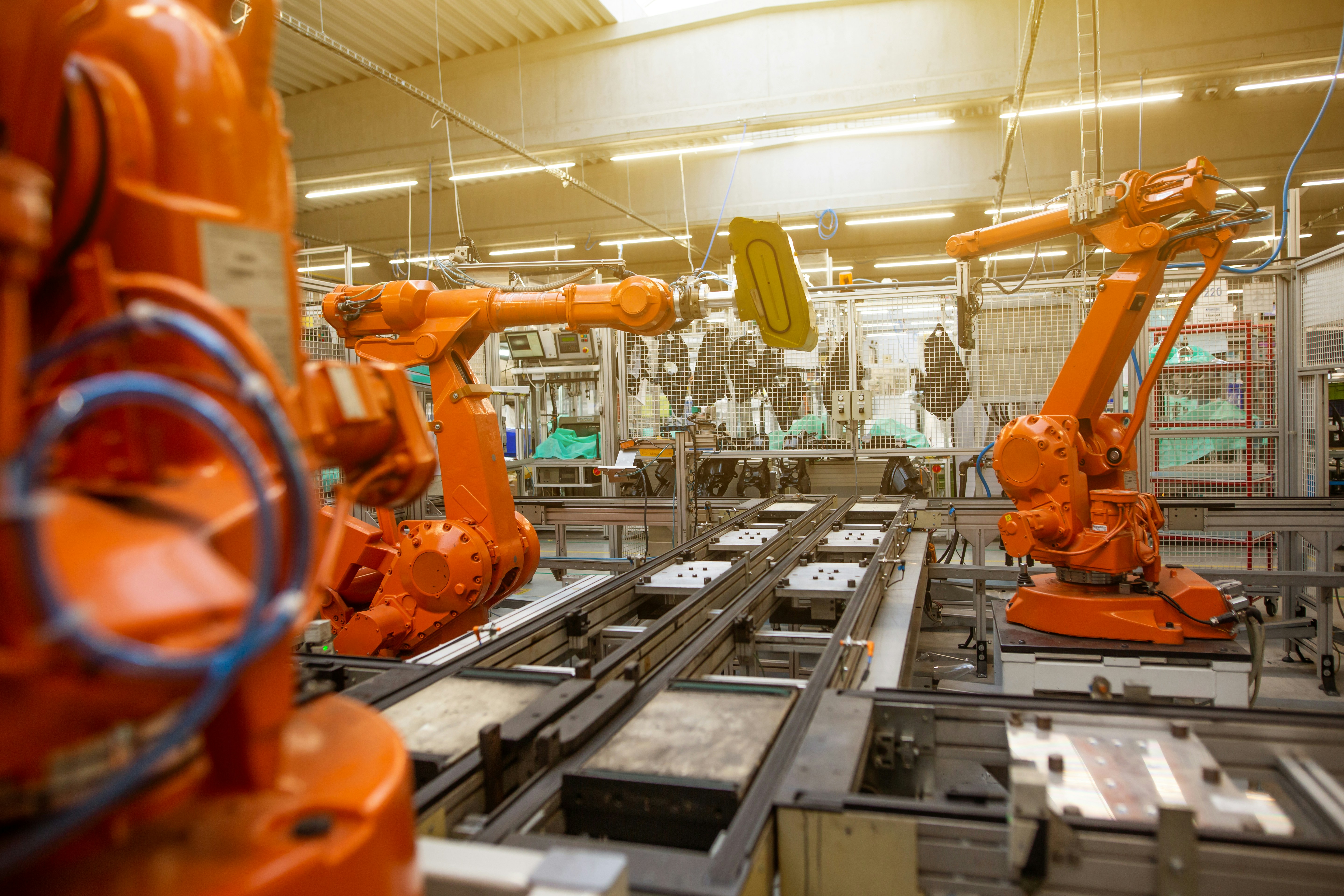
Robotics Recruitment Trends 2025 (UK): What Job Seekers Need To Know About Today’s Hiring Process

Summary: UK robotics hiring has shifted from toolbox checklists to capability‑driven evaluation that emphasises deployed systems, safety, reliability and total cost of ownership. Employers want proof you can ship and sustain robots in production—industrial arms & cobots, AMRs/AGVs, field robots, surgical/med‑tech, warehouse automation, inspection & maintenance. This guide explains what’s changed, what to expect in interviews and how to prepare—especially for robotics software engineers (ROS/ROS 2), perception/vision engineers, controls & motion planners, mechatronics & embedded, safety & compliance, test/V&V, DevOps/SRE for fleets, and robotics product managers. Who this is for: Robotics software/perception/controls engineers, mechatronics & embedded, simulation & test, DevOps/SRE for robotics fleets, HRI/UX, safety/compliance, field/commissioning engineers, and product/technical programme managers in the UK.