

Be at the heart of actionFly remote-controlled drones into enemy territory to gather vital information.

Apply Now

Control Engineer Machine Vision Specialist

Galgorm
1 month ago
Applications closed

Related Jobs

View all jobs

Service Engineer

Automation Service Engineer

Maintenance Engineer - Mechanical/Multiskilled

Controls Engineer

Reliability Engineer

Controls Lead

Step into a world where advanced automation meets real-world impact.

This global technology company leads the way in delivering complex, high-performance automation solutions across many industries. You will be part of a fast-growing team that thrives on solving big challenges with smart, scalable technology, where your ideas and input are genuinely valued. With locations around the world, this organisation offers true international collaboration, career progression and exposure to cutting-edge innovation. If you are looking for a role where you can grow quickly, work with exceptional talent and build solutions that matter, this is where your next chapter begins

Controls Machine Vision Specialist

Great Salary + Profit Share + Overtime + Life Cover + Income Protection

Northern Ireland - Relocation Assistance Available - Sponsorship Available

Ref: 24855

Controls Machine Vision Specialist - The Role:

Be responsible for the creation and development of machine vision systems including cameras, lighting, optics, and software, based on customers requirements

Optimise the performance of vision systems, including speed, accuracy, and robustness, to meet the demands of high-speed industrial environments

Deliver machine vision control systems which comply with the appropriate national and international standards

Support the project team during commissioning activities to achieve successful FAT and SAT

Commissioning of the machines at customer's site

Produce project documentation such as FDS, SDS, FAT test protocols, risk assessments

Provide technical machine vision support for existing customers

Controls Machine Vision Specialist - The Person:

HND/Degree in Electrical, Electronic of Software Engineering

Ability to interpret electrical schematics and technical drawings

Experience of developing algorithms and using specialized hardware to process images at very high speeds, enabling real-time analysis and decision-making

Experience with multiple brands; Cognex Visionpro and Insight, Keyence

Experience of Implementing systems for identifying defects, imperfections, or deviations from specifications in products at high production rates

Ability to provide a complete vision package for simple inspection to advanced metrology

Ideally with some experience of utilising AI and machine learning techniques to enhance the performance and accuracy of vision systems, especially in complex or variable scenarios

Experience of automation and production machinery design, ideally with a hands-on approach.

Knowledge of British and international standards relative to the design and installation.

Located in Co. Antrim, relocation assistance can be provided and the role is also open to sponsorship for very experienced Vision Systems Engineers

For more information call Sharon Hill

AE1

Subscribe to Future Tech Insights for the latest jobs & insights, direct to your inbox.

By subscribing, you agree to our privacy policy and terms of service.

Industry Insights

Discover insightful articles, industry insights, expert tips, and curated resources.

Robotics Hiring Trends 2026: What to Watch Out For (For Job Seekers & Recruiters)

As we move into 2026, the UK robotics jobs market is in a strange but interesting place. On one hand, UK manufacturers, logistics firms and warehouses must automate to stay competitive, tackle labour shortages and meet productivity and net-zero targets. On the other hand, the UK still lags badly behind peers in robot adoption, with relatively low robot density in factories compared with other advanced economies – which is both a challenge and a massive opportunity. The National Robotarium +1 Add in AI, computer vision and edge computing, and you get a robotics landscape that is: More selective in hiring. More focused on real operational outcomes. More integrated with software, data and safety standards. Whether you are a robotics job seeker planning your next move, or a recruiter building automation and robotics teams, this guide explores the key robotics hiring trends for 2026.
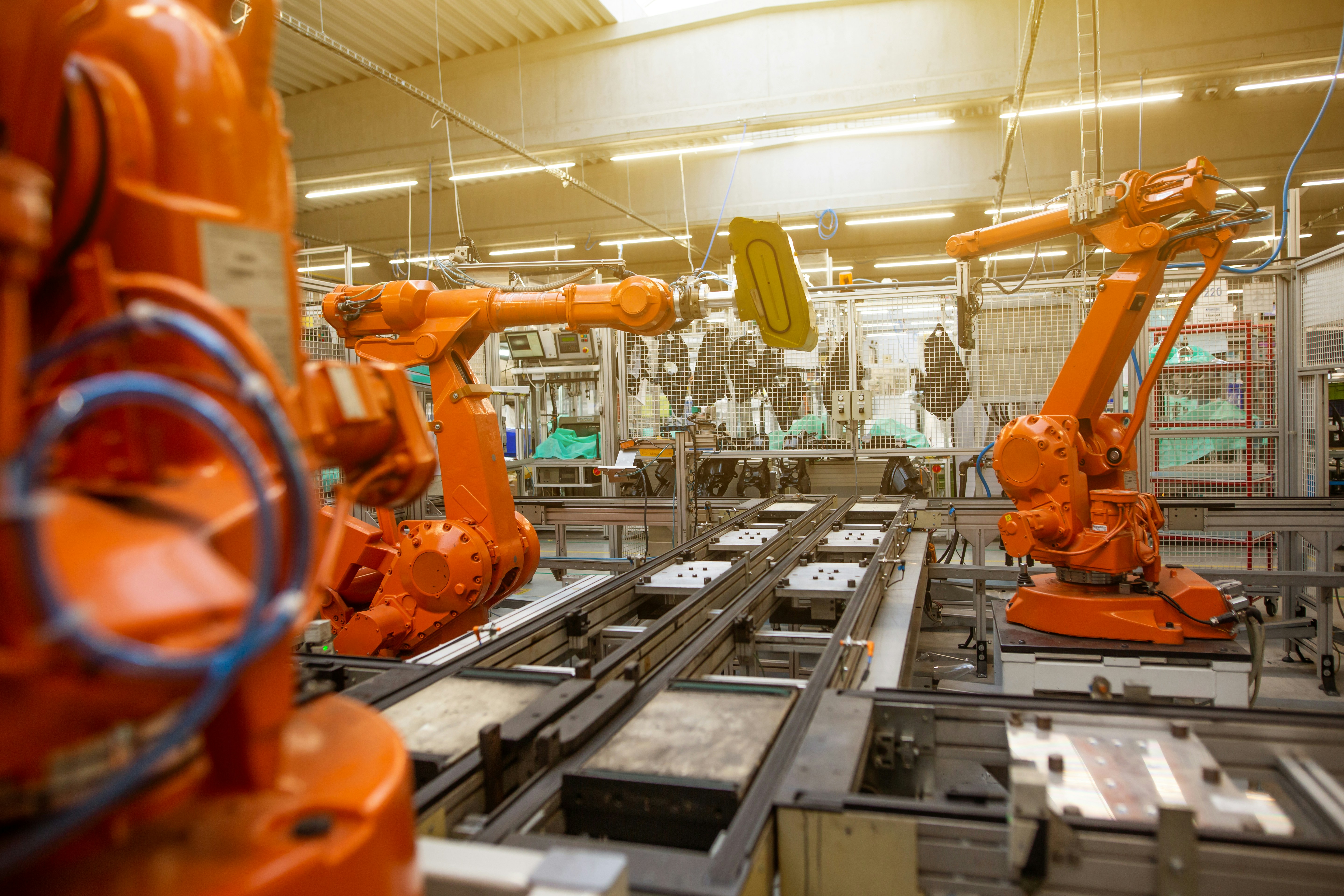

Robotics Recruitment Trends 2025 (UK): What Job Seekers Need To Know About Today’s Hiring Process

Summary: UK robotics hiring has shifted from toolbox checklists to capability‑driven evaluation that emphasises deployed systems, safety, reliability and total cost of ownership. Employers want proof you can ship and sustain robots in production—industrial arms & cobots, AMRs/AGVs, field robots, surgical/med‑tech, warehouse automation, inspection & maintenance. This guide explains what’s changed, what to expect in interviews and how to prepare—especially for robotics software engineers (ROS/ROS 2), perception/vision engineers, controls & motion planners, mechatronics & embedded, safety & compliance, test/V&V, DevOps/SRE for fleets, and robotics product managers. Who this is for: Robotics software/perception/controls engineers, mechatronics & embedded, simulation & test, DevOps/SRE for robotics fleets, HRI/UX, safety/compliance, field/commissioning engineers, and product/technical programme managers in the UK.

Why Robotics Careers in the UK Are Becoming More Multidisciplinary

Robotics used to be the domain of mechanical, electrical and software engineers. In the UK today, robotics is more than motors and control loops — it’s about perception, interaction, trust, regulation and integration into human environments. That evolution means robotics careers are becoming more multidisciplinary. Modern robots interact with people, collect data, operate under constraints, and often assist in safety-critical environments (healthcare, manufacturing, transport). So engineers now collaborate closely with legal, ethical, psychological, linguistic and design experts. In this article, we explore why UK robotics careers are evolving into multidisciplinary roles, how law, ethics, psychology, linguistics & design intersect with robotics, and how job-seekers and employers can adapt to this shift.