Be at the heart of actionFly remote-controlled drones into enemy territory to gather vital information.

Apply Now

Mechanical Design Engineer

Bulwell
5 months ago
Applications closed

Related Jobs

View all jobs

Mechanical Design Engineer

Mechanical Design Engineer

Mechanical Design Engineer

Mechanical Design Engineer

Mechanical Design Engineer

Mechanical Design Engineer

Mechanical Design Engineer

Nottingham

Salary: £35,000 - £45,000 (DOE)

25 Days Holiday + Bank Holidays

The company:

Our client is a leading provider of mechanical engineering services in the area, supplying, designing an installing Bespoke Materials Handling Equipment and Special Purpose Machinery.

Established in the area, they have built a strong reputation for delivering quality service to their clients nationwide in the FMCG, and Logistics industries.

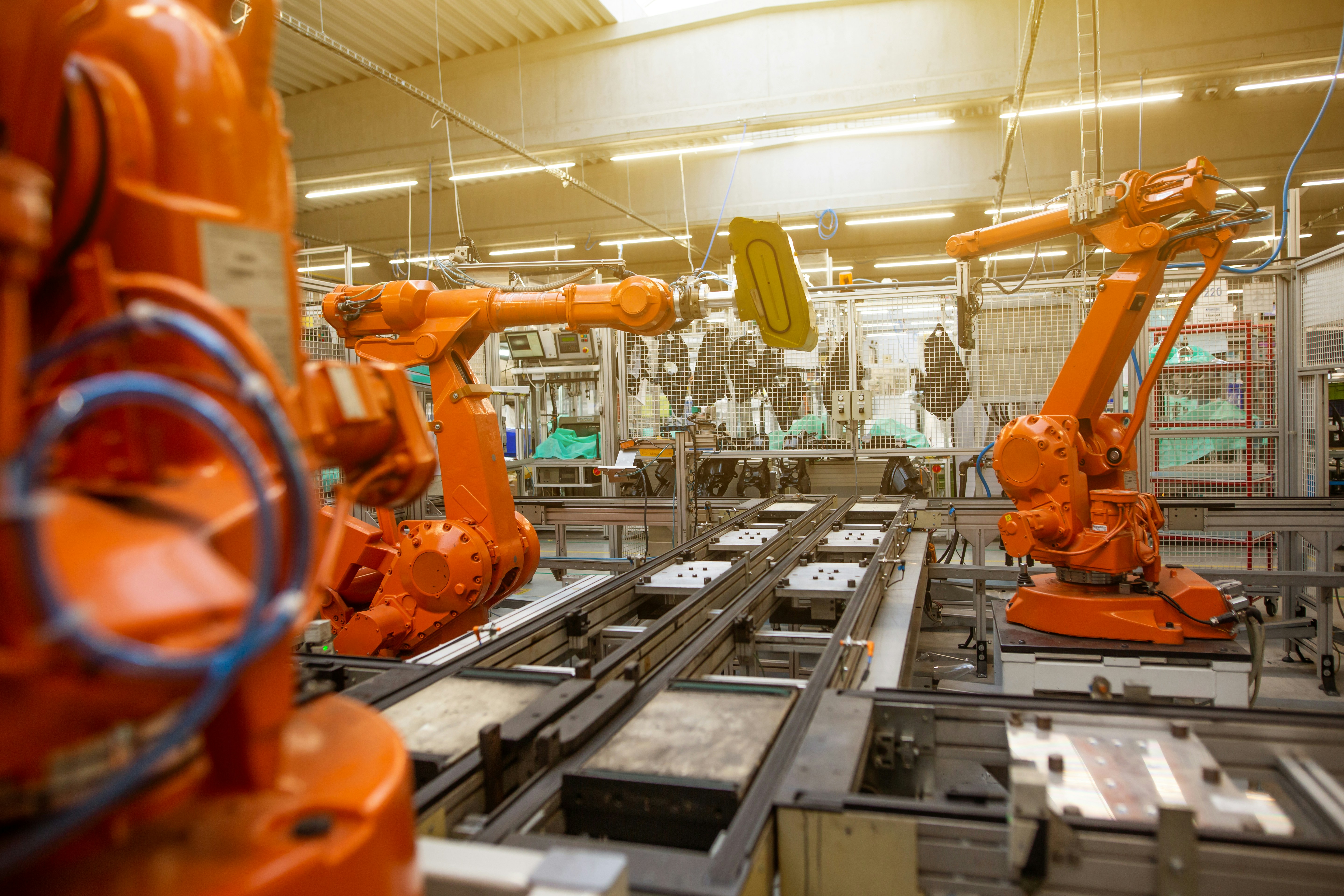
Their team designs and assembles a variety of products, including conveyor systems, robots, structural steel work, Crane Systems, and more. They pride themselves in a providing a high standard of craftsmanship and innovation, Working with multi-billion-pound business across the UK.

As a business they are experiencing growth and a consistent large volume of incoming projects, with a full order book! and have recently promoted from within, as such they are looking to expand their design team to allow them to run additional projects simultaneously.

They currently employ over 150 employees across the business, with around 10 engineers in the design team.

The role:

As a Mechanical Design Engineer, you will be an integral part of the close-knit design team, working on a variety of projects from initial conception and proposal, and seeing them all the way through to installation.

Your responsibilities will include:

Designing whole machinery as well as individual components
Offering a “cradle to grave” solution
Using the CAD Package Solid Works
Producing both 3D and 2D drawing (With a large focus on 3D)
Attending site visits and consulting clients to understand project requirements.
Creating detailed workshop drawings and overseeing the fabrication process
Being involved with the selection and purchasing of components
Managing multiple projects and ensuring timely delivery
Collaborating with clients and internal teams to plan installations.
What we’re looking for in a candidate:

Previous use of SolidWorks is essential
A general understanding of engineering principles and the ability to problem solve.
Experience within the food processing, conveyor systems or sheet metal industry.
Experience designing SPM and building prototypes.
Strong project management skills and the ability to manage your own workload.
Capable of working within a customer facing role and offering a consultative service to clients
Excellent communication skills and the ability to work independently.
The Benefits:

Competitive salary package - £35k - £45k Depending on experience.
Office-based role, with small friendly team
Working hours of: 8:30am – 5pm (Mon-Friday)

With option for flexible hours starting as early as 6:30am
25 days of annual leave + bank holidays
A supportive and collaborative work environment
Opportunities for professional development and career growth within an expanding team

How to Apply:

If you are a motivated and experienced Mechanical Design Engineer looking to join a growing company, we want to hear from you!

ATA is committed to creating a diverse workforce and is an equal opportunities employer. We welcome applications from all suitably qualified persons regardless of age, disability, gender, marriage and civil partnership, pregnancy and maternity, race, religion or belief, sex, and sexual orientation


Subscribe to Future Tech Insights for the latest jobs & insights, direct to your inbox.

By subscribing, you agree to our privacy policy and terms of service.

Industry Insights

Discover insightful articles, industry insights, expert tips, and curated resources.

Robotics Hiring Trends 2026: What to Watch Out For (For Job Seekers & Recruiters)

As we move into 2026, the UK robotics jobs market is in a strange but interesting place. On one hand, UK manufacturers, logistics firms and warehouses must automate to stay competitive, tackle labour shortages and meet productivity and net-zero targets. On the other hand, the UK still lags badly behind peers in robot adoption, with relatively low robot density in factories compared with other advanced economies – which is both a challenge and a massive opportunity. The National Robotarium +1 Add in AI, computer vision and edge computing, and you get a robotics landscape that is: More selective in hiring. More focused on real operational outcomes. More integrated with software, data and safety standards. Whether you are a robotics job seeker planning your next move, or a recruiter building automation and robotics teams, this guide explores the key robotics hiring trends for 2026.

Robotics Recruitment Trends 2025 (UK): What Job Seekers Need To Know About Today’s Hiring Process

Summary: UK robotics hiring has shifted from toolbox checklists to capability‑driven evaluation that emphasises deployed systems, safety, reliability and total cost of ownership. Employers want proof you can ship and sustain robots in production—industrial arms & cobots, AMRs/AGVs, field robots, surgical/med‑tech, warehouse automation, inspection & maintenance. This guide explains what’s changed, what to expect in interviews and how to prepare—especially for robotics software engineers (ROS/ROS 2), perception/vision engineers, controls & motion planners, mechatronics & embedded, safety & compliance, test/V&V, DevOps/SRE for fleets, and robotics product managers. Who this is for: Robotics software/perception/controls engineers, mechatronics & embedded, simulation & test, DevOps/SRE for robotics fleets, HRI/UX, safety/compliance, field/commissioning engineers, and product/technical programme managers in the UK.

Why Robotics Careers in the UK Are Becoming More Multidisciplinary

Robotics used to be the domain of mechanical, electrical and software engineers. In the UK today, robotics is more than motors and control loops — it’s about perception, interaction, trust, regulation and integration into human environments. That evolution means robotics careers are becoming more multidisciplinary. Modern robots interact with people, collect data, operate under constraints, and often assist in safety-critical environments (healthcare, manufacturing, transport). So engineers now collaborate closely with legal, ethical, psychological, linguistic and design experts. In this article, we explore why UK robotics careers are evolving into multidisciplinary roles, how law, ethics, psychology, linguistics & design intersect with robotics, and how job-seekers and employers can adapt to this shift.