Be at the heart of actionFly remote-controlled drones into enemy territory to gather vital information.

Apply Now

Maintenance Engineer

Oxford
2 months ago
Applications closed

Related Jobs

View all jobs

Maintenance Engineer

Maintenance Engineer

Maintenance Engineer

Maintenance Engineer

Maintenance Engineer

Maintenance Engineer

Role: Multi Skilled Maintenance Engineer / Mon to Fri, 8am till 5pm and 3pm finish on Friday's
Salary: £45,000 to £50,000 plus overtime (paid at x1.5 & x2.0) and benefits (pension, life assurance, training & development opportunities)
Hours: Monday to Friday, 8am till 5pm (3pm finish on Friday's)
Location: Commutable from Oxford, Swindon, Bicester, Banbury, Cheltenham, Aylesbury, Newbury, Didcot,Faringdon and surrounding areas

Company

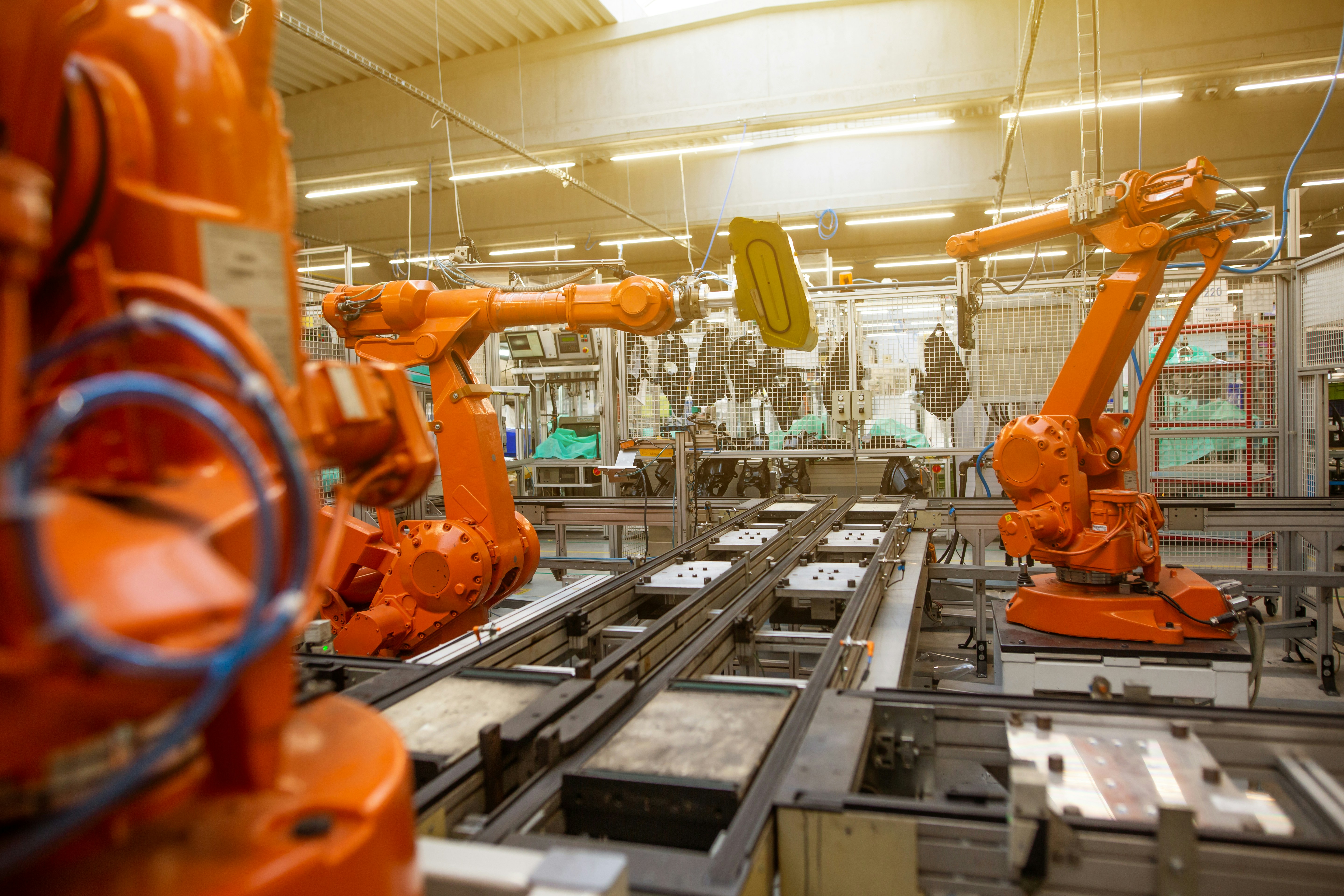
We are currently recruiting a Multi Skilled Maintenance Engineer with a focus on maintenance of Robotics, in a busy factory environment for a production and manufacturing company. It would suit someone who has a background in maintenance in a fast moving environment and ideally (although not essential) some exposure to robot maintenance. Someone who enjoys a variety of working and is keen to grow their skills in this growing company. Team fit is very important too, someone who is a team player with strong and clear communication skills is essential. The Engineering Team consists of 8 Engineers who are very close and hold a positive team spirit.

If you're looking for a career move, or perhaps things have become complacent, boring and repetitive in your current role, or you’re not getting the rewards and recognition for your hard work, don't delay and apply now!

Responsibilities

· Develop, maintain, and troubleshoot production machinery on-site including industrial robots - arms, lift and place.
· Support general maintenance and installation tasks across all plant and machinery through fault finding, planned maintenance, shut downs and project work.
· Identify and execute automation improvement projects to reduce manual labor, improve product quality, and increase overall equipment effectiveness (OEE).
· To work safely at all times and follow safe systems of work.
· To be actively involved in the TPM improvement process.

Requirements

· Experienced Maintenance Engineer and ideally some exposure to robotics such as ABB, Fanuc etc. although not essential.
· Engineering background, holding a genuine passion and interest for engineering and learning.
· Any general maintenance of the following would be desirable (but not essential); 3 phase, motors, sensors, inverters, PLC fault finding, contactors, relays, servo drives, installations, general maintenance, VSD
· Friendly and adaptable working attitude, with the hunger to learn and progress
· Proactive working attitude and keen to get stuck in and turning your hands to a variety of work

If this role sounds of interest, please apply now and send your most up to date CV to Wesley at TechNichols Resourcing to be considered. Or call TechNichols Resourcing and speak with Wesley for further information.

We will endeavour to get back to all applicants but if you have not heard back within 5 working days unfortunately your application has been unsuccessful


Subscribe to Future Tech Insights for the latest jobs & insights, direct to your inbox.

By subscribing, you agree to our privacy policy and terms of service.

Industry Insights

Discover insightful articles, industry insights, expert tips, and curated resources.

Robotics Recruitment Trends 2025 (UK): What Job Seekers Need To Know About Today’s Hiring Process

Summary: UK robotics hiring has shifted from toolbox checklists to capability‑driven evaluation that emphasises deployed systems, safety, reliability and total cost of ownership. Employers want proof you can ship and sustain robots in production—industrial arms & cobots, AMRs/AGVs, field robots, surgical/med‑tech, warehouse automation, inspection & maintenance. This guide explains what’s changed, what to expect in interviews and how to prepare—especially for robotics software engineers (ROS/ROS 2), perception/vision engineers, controls & motion planners, mechatronics & embedded, safety & compliance, test/V&V, DevOps/SRE for fleets, and robotics product managers. Who this is for: Robotics software/perception/controls engineers, mechatronics & embedded, simulation & test, DevOps/SRE for robotics fleets, HRI/UX, safety/compliance, field/commissioning engineers, and product/technical programme managers in the UK.

Why Robotics Careers in the UK Are Becoming More Multidisciplinary

Robotics used to be the domain of mechanical, electrical and software engineers. In the UK today, robotics is more than motors and control loops — it’s about perception, interaction, trust, regulation and integration into human environments. That evolution means robotics careers are becoming more multidisciplinary. Modern robots interact with people, collect data, operate under constraints, and often assist in safety-critical environments (healthcare, manufacturing, transport). So engineers now collaborate closely with legal, ethical, psychological, linguistic and design experts. In this article, we explore why UK robotics careers are evolving into multidisciplinary roles, how law, ethics, psychology, linguistics & design intersect with robotics, and how job-seekers and employers can adapt to this shift.

Robotics Team Structures Explained: Who Does What in a Modern Robotics Department

Robotics is transforming manufacturing, healthcare, logistics, agriculture, entertainment and more. In the UK, advances in robotics span autonomous mobile robots (AMRs), robotic arms, surgical robotics, drone systems, human-robot interaction, and collaborative robots (cobots). Building effective robotics systems requires not only strong hardware and software, but also finely coordinated teams with clear roles from research through deployment and maintenance. If you’re a candidate applying for robotics roles or an employer hiring through RoboticsJobs.co.uk, this guide will help you understand who does what in a mature robotics department, how the lifecycle of a robotics product works, what skills and qualifications UK employers typically expect, what salaries look like, common challenges, and best practices for structuring teams that deliver.