

Be at the heart of actionFly remote-controlled drones into enemy territory to gather vital information.

Apply Now

Trainer – Digital and Artificial Intelligence

Hebburn
1 month ago
Applications closed

Related Jobs

View all jobs

AI Trainer

Mechanical Maintenance Engineer

Engineering Trainer & Assessor

Trainee Welder

Multiskilled Maintenance Engineer

Instrumentation Engineer

Zenith People are looking to recruit a Digital and Artificial Intelligence Trainer. This role is responsible for developing and delivering the Digital Support Technician apprenticeship ensuring learners gain core digital support competencies such as troubleshooting, system configuration, and user support. This includes contextualising learning to real workplace scenarios, helping apprentices build confidence in both traditional IT support and emerging AI-enhanced workflows. By embedding AI technologies like Microsoft 365 Copilot into organisational processes through innovative, structured delivery models the Trainer will support digital transformation by upskilling individuals to become in-house digital enablers, combining technical expertise with change management, risk mitigation, ethical AI use, and prompt engineering skills. The role includes delivering a blend of face-to-face workshops, online training, hands-on labs, and ongoing consultancy-style support aligned to apprenticeship standards.

Role responsibilities and requirements:

  • Design and deliver comprehensive AI training programmes, including high-level Microsoft 365 Copilot leadership workshops and wider AI integration pathways.

  • Create and maintain high-quality training materials such as presentations, user guides, integration roadmaps, and case study-based labs.

  • Lead interactive workshops and training sessions to educate learners on AI concepts, tools, and best practices.

  • Support learners across an extended transformation journey, guiding them through real-world activities such as Copilot deployment, semantic indexing, data governance, and AI workflow automation.

  • Coach staff in critical skills such as prompt engineering, AI risk mitigation, ethical considerations, and change leadership to ensure responsible, scalable adoption.

  • Align learning delivery with organisational needs, helping teams to build AI adoption roadmaps, configure Microsoft 365 Copilot, and extend functionality using Power Platform and Azure AI.

  • Work collaboratively with employers and business leaders to ensure training solutions meet real business challenges and deliver measurable outcomes.

  • To support the achievement of contractual targets for learner retention and success rates.

  • Monitor learner progress to ensure learning continues and learners achieve in a timely manner.

  • Seek feedback from learners on learning support materials to review and improve the service and learning experience.

  • Ensure systems and processes are followed and are in line with contractual deadlines.

  • Deliver outcomes in line with current KPI’s and business performance targets.

  • Administrating and completing paperwork associated with programme delivery within required timescales.

  • Promote and monitor equality and diversity in all aspects of the role and record issues that may arise.

  • Hold a Level 3 teaching qualification or above or work towards achieving a L3 Teaching qualification.

  • Have practical experience in AI, machine learning, or data science, including hands-on experience with AI tools, frameworks, and technologies.

  • Be proficient in Microsoft Offices packages, including Word, Excel, and PowerPoint.

  • Have strong organisation and administrative skills.

  • Have excellent written and verbal communication skills.

  • Experience of unsupervised working and using own initiative.

  • Be able to show an understanding of different learning styles and how to differentiate through various teaching methods.

  • Able to motivate self and learners.

  • Able to plan and deliver imaginative and motivational sessions with a clear focus on the needs of the individual learner.

  • A willingness to work flexible hours and locations as required.

  • To consistently demonstrate desired behaviours and standards.

  • Be flexible, committed & enthusiastic.

  • Keeping workplace safe and tidy.

  • Full, clean driving licence and use of a vehicle must be flexible with travel. (Business insurance is compulsory)

  • To believe in and demonstrate company values and team charter behaviours

Subscribe to Future Tech Insights for the latest jobs & insights, direct to your inbox.

By subscribing, you agree to our privacy policy and terms of service.

Industry Insights

Discover insightful articles, industry insights, expert tips, and curated resources.

Robotics Hiring Trends 2026: What to Watch Out For (For Job Seekers & Recruiters)

As we move into 2026, the UK robotics jobs market is in a strange but interesting place. On one hand, UK manufacturers, logistics firms and warehouses must automate to stay competitive, tackle labour shortages and meet productivity and net-zero targets. On the other hand, the UK still lags badly behind peers in robot adoption, with relatively low robot density in factories compared with other advanced economies – which is both a challenge and a massive opportunity. The National Robotarium +1 Add in AI, computer vision and edge computing, and you get a robotics landscape that is: More selective in hiring. More focused on real operational outcomes. More integrated with software, data and safety standards. Whether you are a robotics job seeker planning your next move, or a recruiter building automation and robotics teams, this guide explores the key robotics hiring trends for 2026.
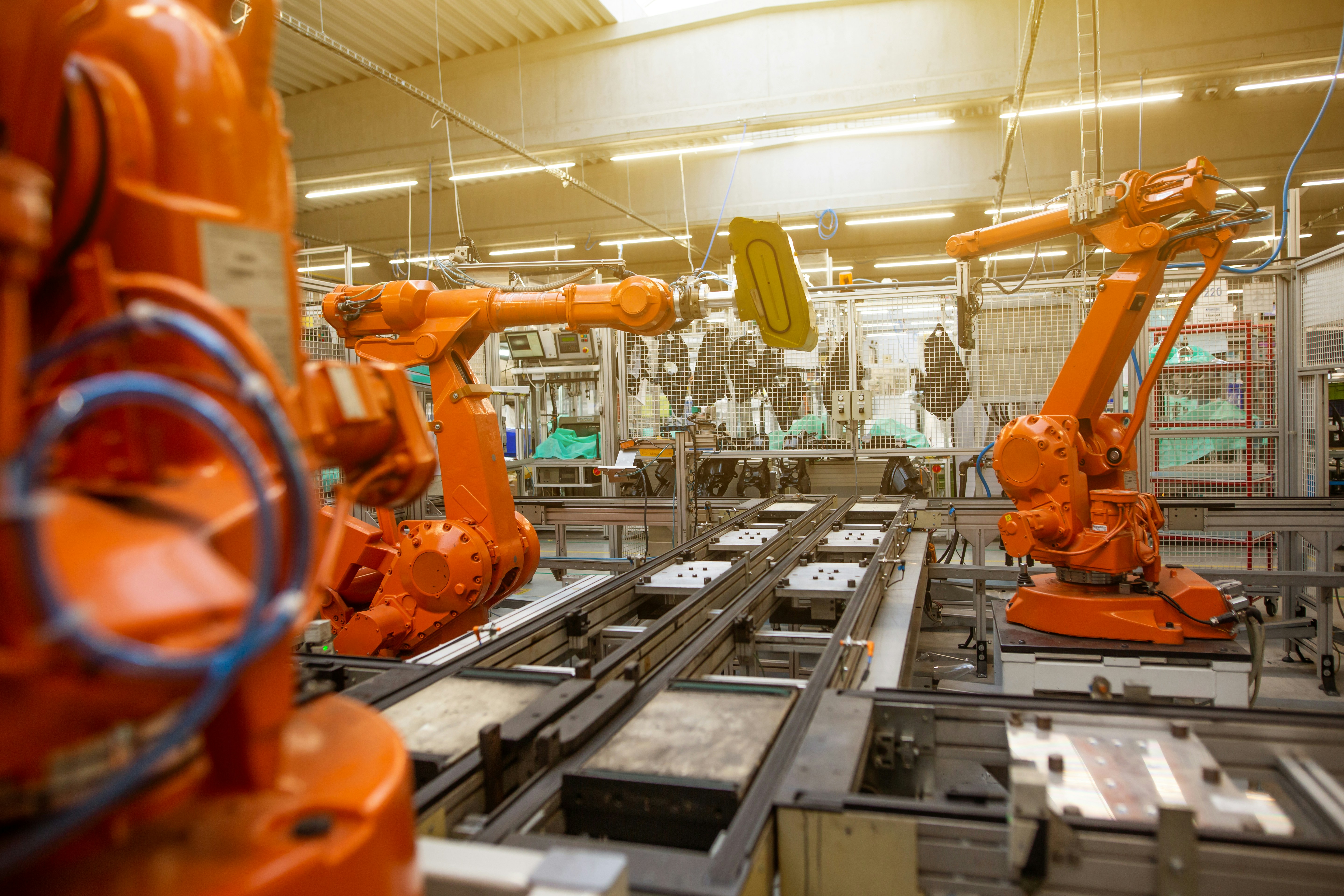

Robotics Recruitment Trends 2025 (UK): What Job Seekers Need To Know About Today’s Hiring Process

Summary: UK robotics hiring has shifted from toolbox checklists to capability‑driven evaluation that emphasises deployed systems, safety, reliability and total cost of ownership. Employers want proof you can ship and sustain robots in production—industrial arms & cobots, AMRs/AGVs, field robots, surgical/med‑tech, warehouse automation, inspection & maintenance. This guide explains what’s changed, what to expect in interviews and how to prepare—especially for robotics software engineers (ROS/ROS 2), perception/vision engineers, controls & motion planners, mechatronics & embedded, safety & compliance, test/V&V, DevOps/SRE for fleets, and robotics product managers. Who this is for: Robotics software/perception/controls engineers, mechatronics & embedded, simulation & test, DevOps/SRE for robotics fleets, HRI/UX, safety/compliance, field/commissioning engineers, and product/technical programme managers in the UK.

Why Robotics Careers in the UK Are Becoming More Multidisciplinary

Robotics used to be the domain of mechanical, electrical and software engineers. In the UK today, robotics is more than motors and control loops — it’s about perception, interaction, trust, regulation and integration into human environments. That evolution means robotics careers are becoming more multidisciplinary. Modern robots interact with people, collect data, operate under constraints, and often assist in safety-critical environments (healthcare, manufacturing, transport). So engineers now collaborate closely with legal, ethical, psychological, linguistic and design experts. In this article, we explore why UK robotics careers are evolving into multidisciplinary roles, how law, ethics, psychology, linguistics & design intersect with robotics, and how job-seekers and employers can adapt to this shift.