Be at the heart of actionFly remote-controlled drones into enemy territory to gather vital information.

Apply Now

Workshop Manager - Panel Designer and Builder

Wigan
1 month ago
Applications closed

Related Jobs

View all jobs

Project Manager

Project and Planning Manager

Projects and Planning Manager (Manufacturing)

Industrial Automation Electrician

Project Manager

Marketing Manager

Workshop Manager / Panel Designer & Builder

Location: Wigan, Greater Manchester
Salary: £40,000 - £45,000 (depending on experience)
Start Date: Immediate
Interviews: 1-2 stages
Contract: Permanent, Onsite

One of our clients based in Wigan, Greater Manchester is seeking an experienced and versatile Workshop Manager / Panel Designer & Builder to join their dynamic team.

This is a hands-on role for an engineer who enjoys both designing and building - the ideal candidate will be equally comfortable creating electrical designs and assembling large, complex control panels (up to 2m high).

We're looking for someone with 5-15 years of experience, though highly experienced professionals (20+ years) are also encouraged to apply.

Key Responsibilities

Panel Building (60-70%)

Build, wire, and test large electrical control panels (up to 2m high)
Connect and test all electrical equipment and cables
Update electrical drawings and related documentation
Organise transport of panels and equipment to/from site
Maintain a clean, safe, and organised workshop environmentElectrical Design (30%)

Produce and update electrical drawings using EPLAN
Create detailed wiring diagrams and layout schematicsPurchasing & Coordination (10%)

Order and track all equipment required for projects
Follow up with suppliers and maintain accurate procurement records

Additional Responsibilities

Oversee workshop activities and manage multiple projects simultaneously
Prioritise tasks effectively in coordination with the Directors
Ensure efficient use and maintenance of company tools, materials, and resources
Travel up to 20% (domestic and international) for installations and site work

Required Qualifications & Experience

Minimum 5 years' experience in panel building and electrical design (combined)
Proven ability to both design and build electrical panels
Experience with voltages including 24V AC/DC, 240V AC, and 415V AC
Strong ability to read and interpret electrical/mechanical drawings
Hands-on experience with CAD tools; EPLAN experience highly desirable
ONC/HNC or equivalent in Electrical or Mechanical Engineering preferred
Good communication and project management skills
Competent with Microsoft Office and general computer systems

Desirable Skills

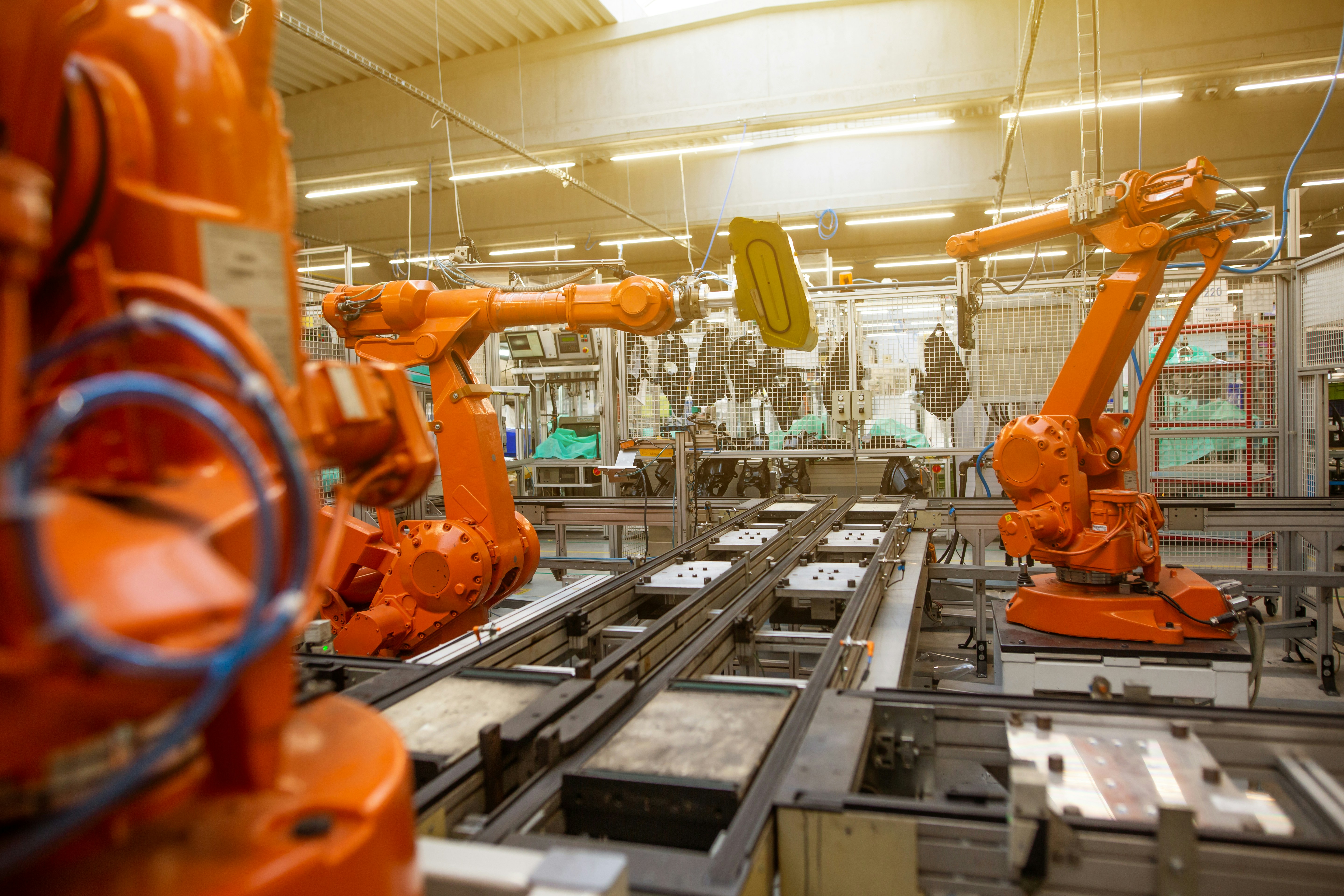
Experience with conveyor or robotic systems
Knowledge of PLC and HMI programming (Siemens / Allen Bradley)
Previous experience managing a workshop teamIf you're an experienced electrical engineer who enjoys combining technical design work with practical, hands-on panel building, this could be the perfect opportunity for you.

Send the CV asap to Luana Ferreira on (url removed) or call her on (phone number removed)

Proactive Global is committed to equality in the workplace and is an equal opportunity employer.
Proactive Global is acting as an Employment Business in relation to this vacancy

Subscribe to Future Tech Insights for the latest jobs & insights, direct to your inbox.

By subscribing, you agree to our privacy policy and terms of service.

Industry Insights

Discover insightful articles, industry insights, expert tips, and curated resources.

Robotics Recruitment Trends 2025 (UK): What Job Seekers Need To Know About Today’s Hiring Process

Summary: UK robotics hiring has shifted from toolbox checklists to capability‑driven evaluation that emphasises deployed systems, safety, reliability and total cost of ownership. Employers want proof you can ship and sustain robots in production—industrial arms & cobots, AMRs/AGVs, field robots, surgical/med‑tech, warehouse automation, inspection & maintenance. This guide explains what’s changed, what to expect in interviews and how to prepare—especially for robotics software engineers (ROS/ROS 2), perception/vision engineers, controls & motion planners, mechatronics & embedded, safety & compliance, test/V&V, DevOps/SRE for fleets, and robotics product managers. Who this is for: Robotics software/perception/controls engineers, mechatronics & embedded, simulation & test, DevOps/SRE for robotics fleets, HRI/UX, safety/compliance, field/commissioning engineers, and product/technical programme managers in the UK.

Why Robotics Careers in the UK Are Becoming More Multidisciplinary

Robotics used to be the domain of mechanical, electrical and software engineers. In the UK today, robotics is more than motors and control loops — it’s about perception, interaction, trust, regulation and integration into human environments. That evolution means robotics careers are becoming more multidisciplinary. Modern robots interact with people, collect data, operate under constraints, and often assist in safety-critical environments (healthcare, manufacturing, transport). So engineers now collaborate closely with legal, ethical, psychological, linguistic and design experts. In this article, we explore why UK robotics careers are evolving into multidisciplinary roles, how law, ethics, psychology, linguistics & design intersect with robotics, and how job-seekers and employers can adapt to this shift.

Robotics Team Structures Explained: Who Does What in a Modern Robotics Department

Robotics is transforming manufacturing, healthcare, logistics, agriculture, entertainment and more. In the UK, advances in robotics span autonomous mobile robots (AMRs), robotic arms, surgical robotics, drone systems, human-robot interaction, and collaborative robots (cobots). Building effective robotics systems requires not only strong hardware and software, but also finely coordinated teams with clear roles from research through deployment and maintenance. If you’re a candidate applying for robotics roles or an employer hiring through RoboticsJobs.co.uk, this guide will help you understand who does what in a mature robotics department, how the lifecycle of a robotics product works, what skills and qualifications UK employers typically expect, what salaries look like, common challenges, and best practices for structuring teams that deliver.