Robots have already reshaped our world—performing tasks more accurately, handling dangerous environments, and boosting productivity across manufacturing, logistics, and beyond. However, as our expectations of robots escalate—think autonomous factories, surgical robots, and companion devices—existing computational methods can struggle with the complexity of real-world scenarios. Robots must navigate chaotic environments, interpret massive sensor data streams, and make split-second decisions, all while adapting to never-ending novelty.
Enter quantum computing, a radical technology that leverages quantum mechanics to process information in ways classical computers cannot match. By pairing quantum hardware with Artificial Intelligence (AI)—particularly machine learning—engineers and scientists see vast potential for overcoming bottlenecks in robotics. This fusion, often termed quantum-enhanced AI, promises new approaches to real-time decision-making, advanced optimisation, and high-dimensional sensor fusion that could catapult robotics into uncharted territories of capability.
In this article, we will:
Examine current challenges in robotics—from sensor data overload to complex control loops—and why classical methods alone might fall short.
Provide an accessible introduction to quantum computing, highlighting its unique principles and potential strengths.
Explore how quantum-enhanced AI can elevate robotics applications—covering real-world use cases like autonomous vehicles, manufacturing, and humanoid robots.
Discuss the main obstacles (like hardware maturity, cost, and integration complexities) and how the industry might overcome them.
Highlight emerging career roles and skill sets you can develop to stay at the cutting edge of robotics jobs in a quantum world.
Whether you’re a seasoned robotics engineer, a machine learning professional looking to expand your horizons, or simply curious about future tech, read on. Quantum computing could shift the boundaries of what robots can achieve, heralding a new era of intelligent machines capable of tackling tasks we can only dream of today.

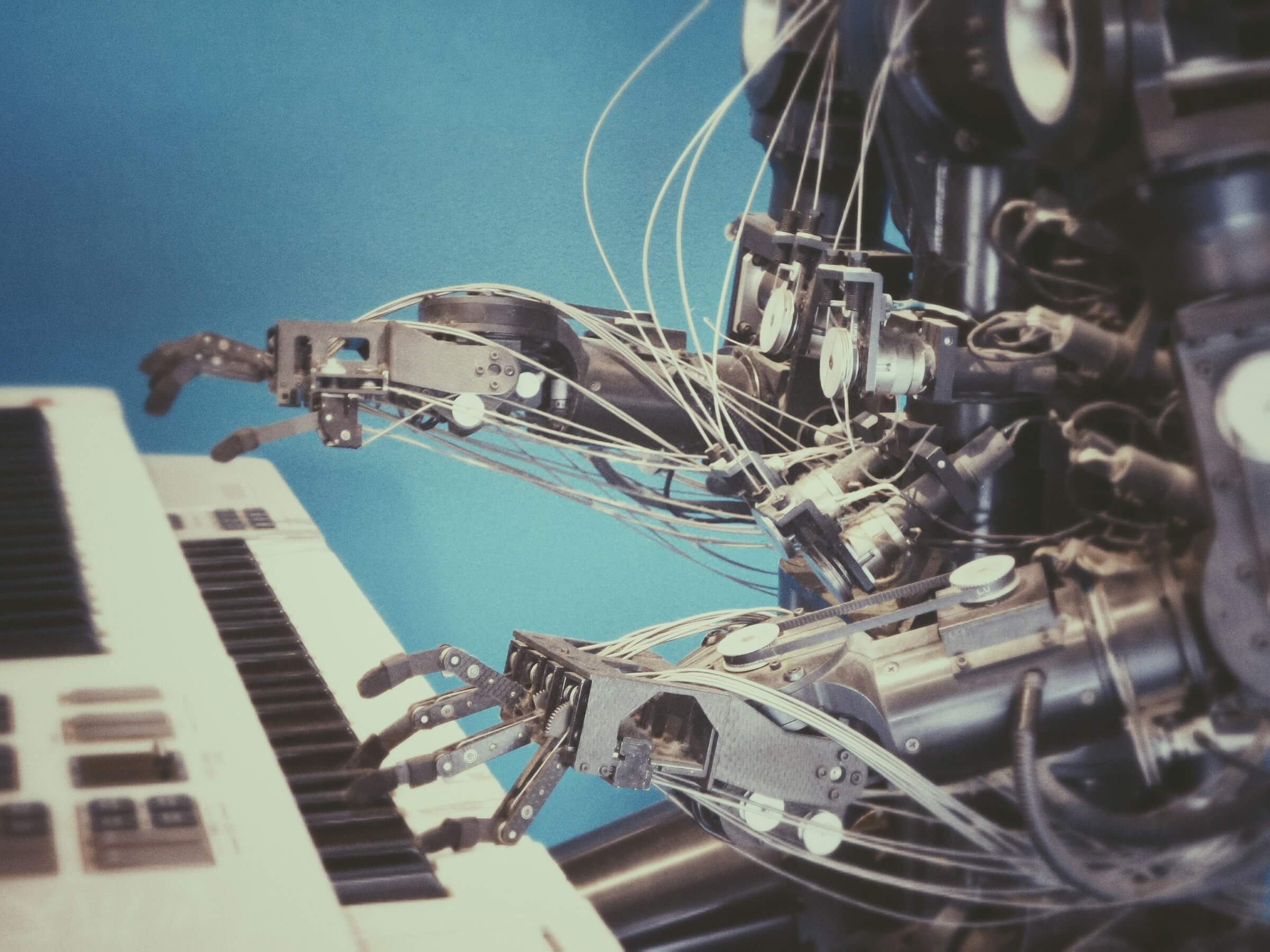
:quality(80))
:quality(80))
:quality(80))
:quality(80))
:quality(80))
:quality(80))
:quality(80))
:quality(80))
:quality(80))
:quality(80))
:quality(80))
:quality(80))